A bill increased
Compare meter behavior and recent water use before isolating fixtures and branches.
Water leak detection in Inglewood for hidden pipe leaks, wet walls, ceiling stains, slab leak signs, plumbing moisture and water damage inside the home. We narrow the problem using the building layout, water-use history, moisture patterns and focused diagnostic testing—then explain the next practical step.

A useful water leak inspection in Inglewood begins with what changed, when it changes and which materials are wet. These clues determine the first test instead of forcing every house through the same checklist.
Compare meter behavior and recent water use before isolating fixtures and branches.
Map the moisture boundary and compare it with supply, drain and appliance locations.
Check plumbing and wet rooms above, then distinguish an active leak from old or weather-driven moisture.
Evaluate hot-water lines, meter movement and the moisture pattern around the suspected slab area.
Identify when the sound occurs and isolate fixtures, valves or pressure zones.
Measure materials instead of relying on odor alone, then trace the highest readings toward a likely source.
Control the source, document the spread and define extraction or drying priorities.
Work from accessible evidence toward targeted testing so access is based on a reasoned source area.
Hidden leak detection in Inglewood should narrow three things: where water originates, how it travels and which materials are actually affected. A stain alone rarely answers all three.
When did the bill, sound, odor, stain or flooring change? Does it follow a shower, appliance cycle, hot-water use or rain?
Fixtures, shutoffs, supply connectors, drains, water heaters and appliances are checked before assuming the leak is concealed.
Readings across walls, ceilings, floors and cabinets help define the wet boundary and a direction of travel.
Meter observation, pressure behavior and targeted fixture or branch isolation help distinguish active supply loss from other moisture.
If material must be opened, the location is selected from multiple clues—not simply the darkest part of the stain.
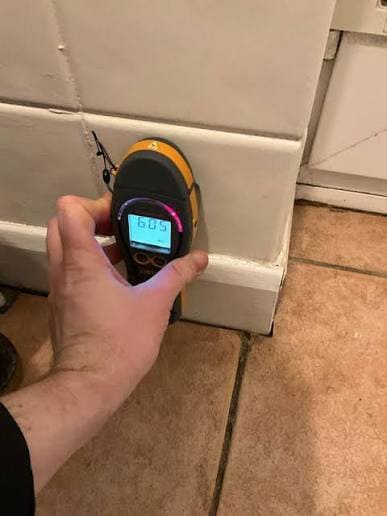
Water leak detection services in Inglewood cover the source, the route water took through the building and the damage that remains after the flow stops.
Inside a house, plumbing, finishes and water damage overlap. A useful service plan may involve locating a concealed line, checking rooms above a ceiling stain, reading moisture below cabinets, evaluating a slab complaint, controlling active water and defining the areas that need drying or selective removal.
Tracing unexplained moisture, running-meter complaints and concealed supply leaks behind finished surfaces.
Checking warm floors, damp flooring, under-slab sound, pressure changes and water loss below concrete.
Mapping wet drywall, bubbling paint, damp insulation, baseboard damage and plumbing inside wall cavities.
Separating bathroom, supply, drain, appliance and roof-related sources above a visible ceiling stain.
Testing interior supply piping, valves, fittings, fixture connections, drains and appliance water lines.
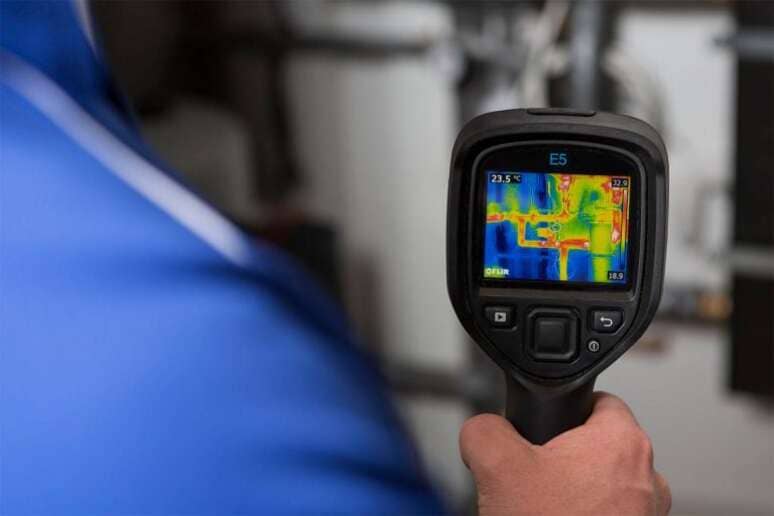
Comparing affected and unaffected materials with moisture meters and targeted thermal observations.
Checking toilets, supply stops, wax rings, tubs, showers, valves, pans, drains and plumbing below.
Inspecting sinks, faucets, disposals, dishwashers, refrigerators, cabinets and concealed branch lines.
Tracing plumbing moisture, seepage patterns, wet walls, floor-edge dampness and water around mechanical equipment.
Evaluating interior evidence below roof penetrations, transitions and drainage paths when water appears after weather.
Documenting how far water moved through drywall, flooring, cabinetry, insulation and adjacent rooms.
Planning source control, extraction, containment, drying and selective material removal around the actual moisture map.
Removing standing or trapped water from affected interior areas before drying and material decisions.
Explaining the located source, reasonable access area and next repair or restoration step without widening damage by guesswork.
No instrument identifies every leak through every material. Reliable conclusions come from combining the right tests with the plumbing layout and the symptom history.
Compare material readings and help define the boundary of affected drywall, wood, flooring or cabinetry.
Shows temperature patterns that may support a moisture theory, but patterns must be verified rather than treated as proof by themselves.
Helps focus on sound from pressurized piping when building noise, depth and materials allow a usable signal.
Show whether water is moving and help narrow the responsible fixture, branch or hot- versus cold-water system.
Supply lines, valves and plumbing chases can wet insulation and framing before paint changes.
Bathrooms, kitchens, laundry equipment, drains and roof paths above may all create similar stains.
Pressurized lines below concrete can produce warm areas, damp flooring, sound or continuous meter movement.
Faucet lines, disposals, dishwashers, refrigerators and wall piping can leak slowly into finished cabinets.
Toilets, shower assemblies, tubs, valves, drains and supply connections may affect the room below or beside them.
Plumbing leaks and water traveling through the structure may collect at floor edges, walls or mechanical areas.
Leak detection with water damage in Inglewood requires more than stopping the drip. Water may remain in drywall, insulation, flooring, subfloor, trim or cabinetry after the plumbing source is controlled.

Inglewood homes often require a methodical check of meter movement, accessible fixtures and concealed lines before opening finishes..
We plan diagnosis around single-family homes, duplexes, apartments and small commercial buildings. Foundation type, floor count, shared plumbing and remodel history change the likely path.
Running meters, crawlspace leaks, wall moisture and aging water-service connections can create symptoms several feet or even another room away from the source.
Coverage around Inglewood: Morningside Park, La Tijera Village, Fairview Heights and Century Heights.

Our service is organized around a simple idea: find enough evidence to make the next step smaller and clearer. That means protecting finished rooms, explaining what each test can and cannot prove, and connecting source control with moisture and damage decisions.
Representative service situations—not individual customer endorsements or ratings. The symptom, timing and building layout determine the first test.
The room above, supply and drain connections, shower or tub assembly and moisture boundary are checked together.
Fixtures and branches are isolated before a concealed pipe or slab leak is assumed.
Material readings are compared with dry reference areas so odor alone does not define the repair zone.
Sink plumbing, dishwasher or refrigerator lines, wall piping and materials below the cabinet are evaluated as one path.
The visit begins with symptoms, meter behavior and accessible plumbing. Moisture readings, thermal patterns, pressure or isolation testing and focused acoustic listening may then be used to narrow the source before an access point is discussed.
Yes. Staining, bubbling paint, softened drywall, damp trim and musty odors can be mapped with moisture instruments. The visible wet area is compared with plumbing and rooms above because water often travels before it appears.
A meter that moves with fixtures off, warm or damp flooring, unexplained water sounds, reduced pressure, a sudden bill increase and moisture near baseboards can justify an under-slab leak assessment.
The purpose of diagnosis is to reduce unnecessary access. No method can see through every building material, but the source area should be narrowed as much as practical before drywall, a ceiling or flooring is opened.
The source must be controlled first. Moisture can then be documented across affected materials so water extraction, drying, removal or mitigation priorities are based on where water actually traveled.
Yes. Common calls involve supply piping, fixture connections, drains, shower and tub areas, toilets, water heaters, laundry appliances, refrigerators, cabinets, walls, ceilings and lines below the slab.
A new or spreading stain, active drip, sagging drywall or water near electrical fixtures should be treated promptly. Stop using the suspected fixture above when it is safe to do so and call for availability.
Avoid covering or repainting the area, note when the symptom changes, photograph active staining, keep affected cabinets accessible and know where the main shutoff is. If water is near electricity, keep clear and use the appropriate emergency professional.
Leak detector service in Inglewood is planned around the building, the symptom and the materials between the instrument and the suspected water. A leak detector in Inglewood should explain which clue points toward pressurized piping, drainage, an appliance or water that has already stopped moving. The objective is a smaller repair area and a clearer explanation of what the evidence does—and does not—confirm.
In Inglewood, leak calls often involve condos, apartments, townhomes, mixed-age houses and buildings with shared walls or stacked plumbing. Water seen in one unit can originate from a fixture, drain or supply line in another area, so room relationships and usage timing are documented before access is discussed.
Cabinetry, common chases, neighboring wet rooms and property-management access rules are incorporated into the diagnostic sequence. Older and newer construction coexist in Inglewood, so pipe age is considered without treating age alone as proof of failure. Managed buildings in Inglewood benefit from notes that distinguish confirmed wet materials from areas that remain only possible sources.
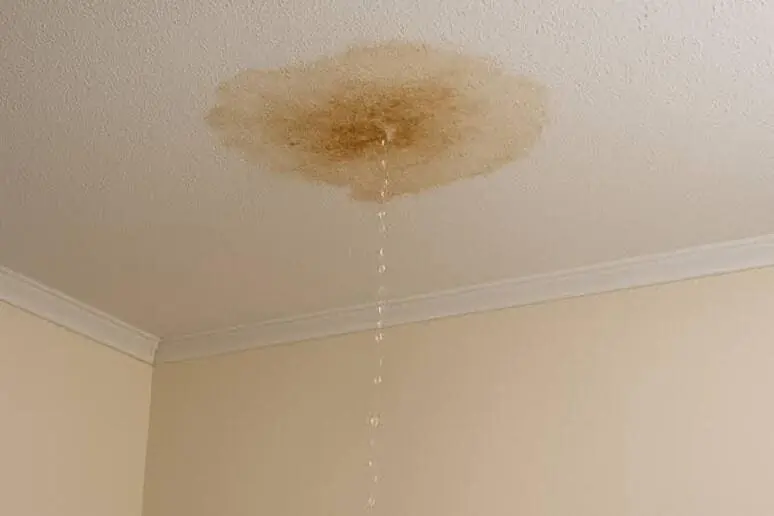
A ceiling mark below a bathroom may reflect a supply connection, a drain, a shower enclosure or water that traveled along framing before it appeared. Weather timing, attic or ceiling access and interior plumbing use are compared without collapsing roof entry and pipe leakage into one diagnosis. Thermal observations are checked against material moisture because temperature differences can exist without liquid water. Recommendations remain proportional to the evidence and avoid opening multiple finishes simply to search by trial and error. This is how leak detector service in Inglewood stays focused on a defensible source area instead of treating every wet finish as the failure point.
Water that appears after bathing can involve the shower pan, enclosure, valve, supply riser, tub overflow or drain, so timing alone does not identify the failed part. The inspection follows the likely vertical and horizontal route from the utility area before assuming the nearest visible fitting is responsible. Independent fixture tests on both sides of the wall help determine whether the response belongs to supply pressure, drainage or enclosure use. The reported boundary shows where water spread even when the repair point is located inside a cabinet or in the neighboring room. This is how leak detector service in Inglewood stays focused on a defensible source area instead of treating every wet finish as the failure point.
A damp wall beside a plumbing chase can reflect a pressurized line, a drain used intermittently or water descending from a higher connection. Weather timing, attic or ceiling access and interior plumbing use are compared without collapsing roof entry and pipe leakage into one diagnosis. Useful confirmation may combine repeat moisture readings, controlled fixture use, meter observation and targeted isolation rather than relying on one dramatic reading. Where moisture is already declining, monitoring may be more appropriate than assuming a continuing pressurized leak. This is how leak detector service in Inglewood stays focused on a defensible source area instead of treating every wet finish as the failure point.
A lower-floor mark beneath laundry equipment can appear only during fill or discharge, making controlled cycle timing more useful than a static visual check. Both sides of a shared wet wall are inspected, with fixture use isolated one system at a time to create a repeatable response. Independent fixture tests on both sides of the wall help determine whether the response belongs to supply pressure, drainage or enclosure use. If weather entry remains likely, the report keeps that conclusion distinct from interior plumbing so the appropriate contractor can verify it. This is how leak detector service in Inglewood stays focused on a defensible source area instead of treating every wet finish as the failure point.
A warm floor area can support a hot-water-line theory, but sunlight, ductwork and recent fixture use can produce a similar temperature pattern. Room relationships are reviewed in plan and elevation, including bathrooms, kitchens, laundry equipment and water heaters above or beside the symptom. Independent fixture tests on both sides of the wall help determine whether the response belongs to supply pressure, drainage or enclosure use. When active loss is confirmed, safety, source control and protection of occupied finishes take priority over cosmetic repair. This is how leak detector service in Inglewood stays focused on a defensible source area instead of treating every wet finish as the failure point.
Odor without a visible stain calls for comparison readings around likely wet rooms, accessible plumbing and dry reference materials before a cavity is opened. Changes in moisture readings are followed across seams, corners and floor transitions to estimate the direction water traveled. The likely pipe route is compared with framing and gravity before a small opening is recommended in a finished surface. A useful report distinguishes confirmed observations from possibilities that still require access or repair-side verification. This is how leak detector service in Inglewood stays focused on a defensible source area instead of treating every wet finish as the failure point.
Moisture beside a toilet or vanity may come from a supply stop, wax seal, drain, splash pattern or piping in the shared wall, and each possibility responds to a different test. The least disruptive accessible test is chosen first, with more focused access reserved for uncertainty that instruments cannot resolve. Drain and enclosure testing is kept separate from pressurized-line testing so the result points toward the correct repair trade and access area. An accessible verified seep can move directly to repair while the surrounding material readings establish whether drying is also needed. This is how leak detector service in Inglewood stays focused on a defensible source area instead of treating every wet finish as the failure point.
When two bathrooms or a kitchen and laundry share a wall, the same visible corner can be affected by several supply and drain routes on opposite sides. A dry comparison area of similar material is recorded before the suspicious zone is interpreted as active or residual moisture. Focused listening is most useful after competing water users and background mechanical noise are reduced. The final explanation connects the symptom to the building system rather than presenting an instrument image without context. This is how leak detector service in Inglewood stays focused on a defensible source area instead of treating every wet finish as the failure point.
An intermittent laundry-area symptom may track a washer fill cycle, discharge hose, standpipe, nearby water heater or a connection that leaks only under demand. Weather timing, attic or ceiling access and interior plumbing use are compared without collapsing roof entry and pipe leakage into one diagnosis. A tissue check, visual observation and moisture comparison can confirm a small accessible seep before concealed methods are considered. Shared-wall findings are assigned to the fixture or pipe route that reproduced the change, with unresolved alternatives clearly listed. This is how leak detector service in Inglewood stays focused on a defensible source area instead of treating every wet finish as the failure point.
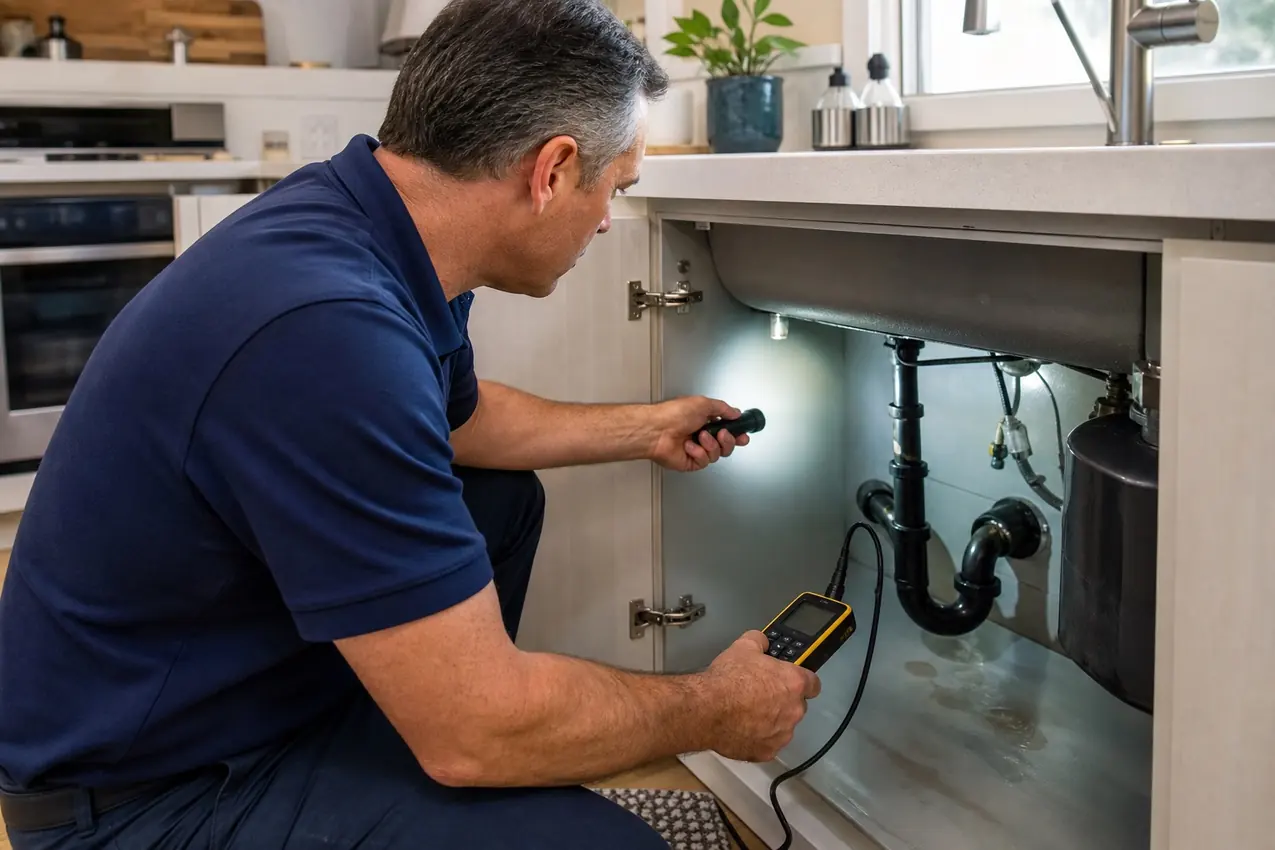
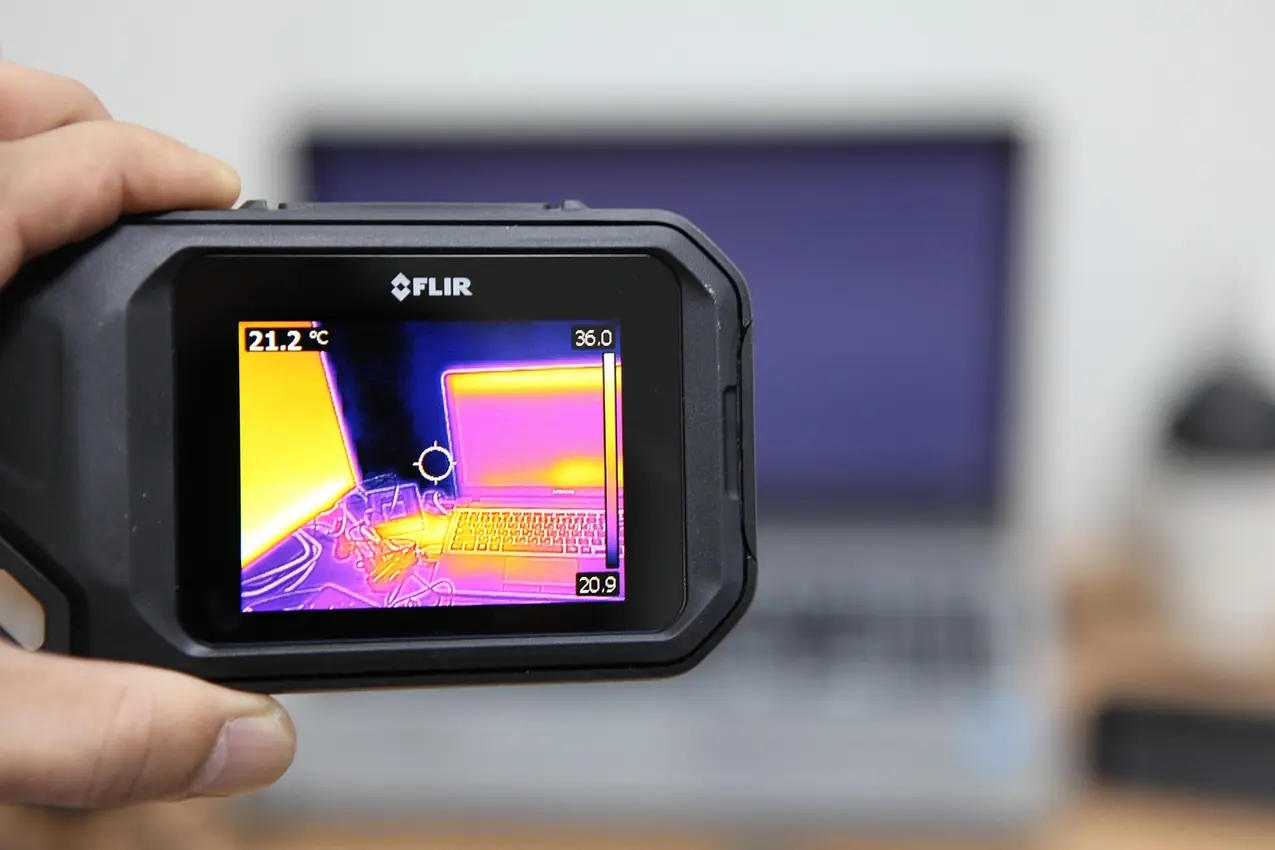
A useful conclusion for a Inglewood property separates the probable source, the documented moisture boundary and the practical access or mitigation decision. It should also state any remaining uncertainty. That prevents an instrument reading from being presented as more precise than the building conditions allow and gives the plumber, property manager or restoration team a defensible next step.
Before the visit, keep the affected area accessible, avoid painting over the symptom, photograph active changes and stop using a suspected fixture when it is safe. Active water near electrical equipment, a sagging ceiling or rapidly spreading damage requires immediate safety precautions.
Dry reference readings, repeat measurements, meter observation and usage testing help separate ongoing water loss from material that remains damp after an earlier event.
No. Accessible plumbing, meter behavior, moisture comparison, thermal observations and targeted listening may narrow the area first. Some access can still be necessary, but it should be based on multiple clues.
The findings should connect the likely source with a reasonable access area, plumbing repair and any drying or selective material removal required by the documented moisture footprint.
Each location page covers the same complete interior leak, slab, wall, ceiling, moisture and water-damage services with local housing context.
Call with the symptom, affected room and when it becomes worse.